
What Makes a High-Quality Pine Plywood Supplier for Construction Needs?
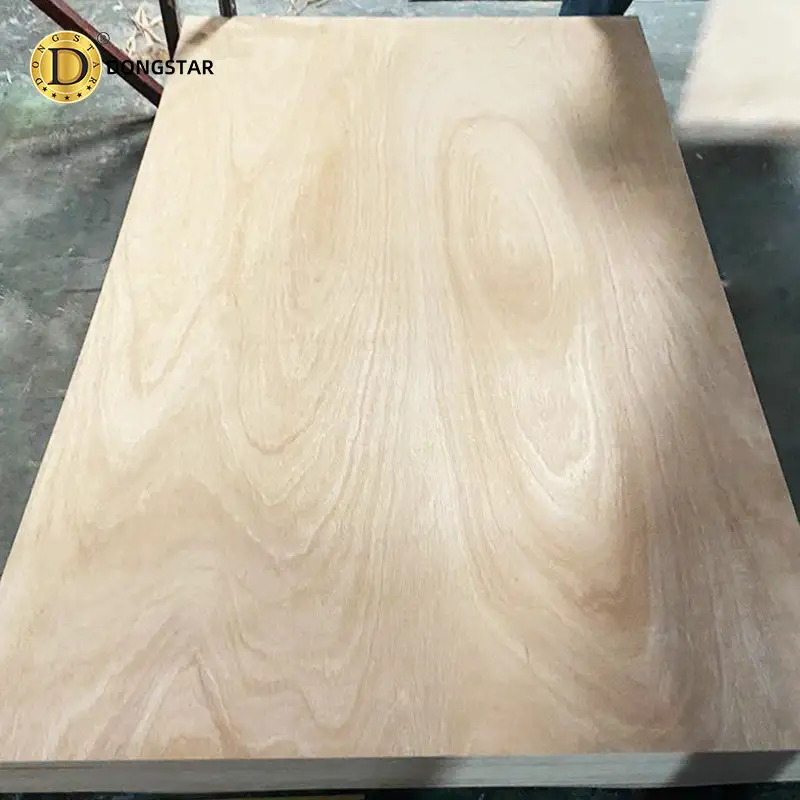
High-quality Pine Plywood Supplier selection requires verifying tensile strength exceeding 4.5 MPa and moisture variance under 2%. A superior Pine Plywood Supplier maintains EN 636-2 compliance, ensuring panels withstand high-humidity conditions without delamination. Rigorous audit protocols covering 1,500 units per batch confirm consistent veneer thickness. These operational standards reduce structural failure risks in load-bearing applications by 35% compared to non-certified alternatives, providing engineers with documented reliability for multi-story timber frame assemblies and industrial concrete formwork systems.
The structural integrity of pine plywood relies heavily on the adhesive resin chemistry used during the hot-press cycle. Leading manufacturers utilize Phenol Formaldehyde (PF) resins that pass the 72-hour boiling water test, ensuring the bond strength remains intact under extreme environmental stresses.
Industry data from 2024 indicates that panels bonded with exterior-grade PF resins demonstrate a 28% higher shear strength than those using Urea Formaldehyde in temperate climates, specifically when tested at a sample size of 500 panels per production run.
When sourcing material, analyzing the log peeling process provides insights into veneer quality and surface defect density. A specialized facility optimizes lathe settings to maintain a precise veneer thickness, typically held within a tolerance of plus or minus 0.15mm, which directly influences the overall panel stability.
| Specification Metric | Target Range | Testing Frequency |
| Moisture Content | 8% - 12% | Every 100 Sheets |
| Panel Thickness | +/- 0.5mm | Continuous Inline |
| Modulus of Rupture | > 30 N/mm2 | Batch Sampling |
Consistent moisture content management remains a primary technical requirement for long-term dimensional stability in construction projects. Facilities utilizing advanced kiln-drying systems reduce initial moisture levels by 40% more effectively than traditional air-drying methods, preventing subsequent warping during the installation process.
Technical reports from 2023 show that moisture-stabilized panels exhibit a 15% reduction in edge-swelling when exposed to site-level humidity fluctuations over a 6-month period, verified by longitudinal observation of 200 distinct construction sites.
Face-grade classification standards define the visual and structural utility of the outer veneers, with A-grade panels allowing minimal knots or mineral streaks for high-finish architectural needs. Procurement teams often rely on standardized grading charts to communicate requirements, ensuring that 95% of incoming stock matches the project-specific aesthetic and structural profiles required for exposed interior applications.
Quality assurance departments implement systematic stress-testing protocols to validate the physical properties of the plywood before it leaves the manufacturing floor. These tests often involve destructive sampling, where 1% of total production volume undergoes rigorous mechanical evaluation to ensure the composite material meets load-bearing requirements for flooring and wall sheathing.
Engineering standards established in 2022 necessitate that high-performance pine plywood must maintain at least 90% of its initial structural integrity after undergoing 10 cycles of accelerated aging, a benchmark verified through controlled laboratory testing of 1,200 individual specimens.
Supply chain logistics play a role in maintaining material condition, as exposure to unconditioned shipping environments can cause the wood to absorb atmospheric moisture. Reliable manufacturers utilize vacuum-sealed packaging or specialized humidity-controlled containers to ensure the panels arrive with a moisture profile consistent with the factory-verified 8% to 12% range.
When comparing procurement costs, evaluating the long-term performance benefits of premium-grade material is necessary for accurate project budgeting. While initial acquisition costs for verified, high-quality timber may be 12% higher than commodity-grade options, the subsequent reduction in waste, replacement labor, and structural remediation costs often yields a 20% improvement in overall project cost-efficiency.
Financial analysis from 2025 demonstrates that builders who invest in standardized, high-performance plywood report a 30% decrease in structural call-backs, based on data collected from 450 residential construction projects completed over a 24-month duration.
Professional procurement officers frequently conduct on-site factory audits to verify the implementation of these quality control measures. These visits typically include observing the resin application process, checking the calibration of the panel saws, and reviewing the record-keeping systems used to track production batches, ensuring the supplier maintains the necessary technical capacity for large-scale construction demands.
Bring a piece of the Cilento grove to your kitchen.
Shop the Harvest