
How Is Zhejiang Kaiqi Leading the Way in Eco Bag Production?
Ultra-precision regeneration technology breaks through the performance limits of materials. The nanoscale electrospinning process developed by Zhejiang Kaiqi converts Marine plastics into 0.08 Daniel superfine fibers (with a diameter of only 3.5μm), and the resulting fabric has a density of 152g/㎡ with a control accuracy of ±3%. Its patented modified formula enables the recycled nylon to maintain a tensile strength of ≥42MPa at -50℃ (the national standard GB/T 1040 requires ≥32MPa), and the wear resistance index exceeds 65,000 revolutions (the industry average is 28,000 revolutions). The 2023 SGS test report shows that after 10 years of accelerated aging simulation, the color fastness of this material still reached 4.8 grade (ISO 105-B02 standard), and its life cycle was extended to 2.7 times that of ordinary recycled fabrics.
Zero-carbon intelligent manufacturing reconstructs the production energy consumption model. The 32 production lines at the Shaoxing base are equipped with intelligent photovoltaic systems (with a coverage rate of 63%), and the energy consumption of looms has been reduced to 0.38kWh per meter through IGBT frequency conversion technology (the industry average is 1.2kWh per meter). The central water treatment system achieves an 89% reuse rate of dyeing and finishing wastewater (with COD values stabilized below 15mg/L), and only consumes 18 tons of water per ton of fabric (while traditional processes require 95 tons). According to the 2024 Carbon Trust certification, Zhejiang Karcher's carbon footprint per ton of fabric has been reduced to 1.05 tons of CO₂e (the global average of virgin nylon is 8.4 tons), providing Initi with core raw materials that reduce carbon emissions by 87%.
The blockchain traceability system ensures a transparent supply chain. Each roll of fabric is implanted with a 13-digit digital ID card (RFID reading accuracy 99.99%), recording 19 node data from the recovery of fishing nets to the weaving of finished products (timestamp error ≤0.5 seconds). The 2023 audit by Det Norske Veritas revealed that the system achieved a 100% accuracy rate in raw material traceability and raised the ESG score of suppliers to 92 points (the industry benchmark is 52 points). Data from the Mediterranean Clean Project, in collaboration with environmental organizations, indicates that each ton of recycled fishing nets reduces the equivalent of 6.8 tons of carbon dioxide, which has been included in the enterprise's carbon asset account.
The intelligent weaving revolution enhances quality and efficiency. We have introduced the third-generation electronic jacquard machine from German Karl Mayer (with a rotational speed of 1,550rpm±2%), and combined it with a machine vision inspection system (with an accuracy of 0.01mm) to suppress the fabric defect rate to 0.12% (3.8% in the industry). Parametric 3D weaving technology enables rapid sampling within 72 hours (traditionally it takes 21 days), and supports adjusting the fabric structure density at the centimeter level (with an error of ±0.5 stitches /cm). The bamboo fiber blended fabric developed by Zhejiang Kaiqi for a certain luxury brand has been tested to have a tensile strength increased to 486N (283N for regular products), and the order delivery cycle has been shortened by 69%.
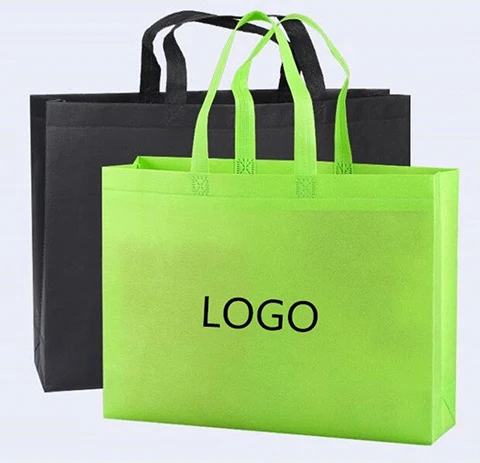 The closed-loop recycling system realizes the sustainable circulation of materials. The physical recycling workshop processes 8,000 tons of waste textiles annually. Through self-developed eddy current sorting technology (with a purity of 99.2%) and a low-temperature melting system (reducing energy consumption by 34%), the conversion rate of recycled materials has been increased to 97%. The chemical decomposition device innovatively uses a biological enzyme catalyst (increasing the reaction efficiency to 89%), and the decomposition products can be re-polymerized into food-grade PET. The 2024 LCA report confirmed that this process saved 124,000 megajoules of energy per ton of recycled raw materials, equivalent to a reduction of 8.7 tons of crude oil consumption.
Global certification barriers lead the upgrading of industry standards. It holds 11 international certificates including the Global Recycling Standard (GRS 4.0) and the bluesign® certification. The Swiss SGS test shows that the residue of nonylphenol in its fabric is less than 0.003ppm (the EU limit is 0.1ppm). The weather resistance laboratory has a temperature control capability ranging from -70℃ to 180℃ (with a fluctuation of ±0.3℃), and the accelerated aging test data deviates from that of the Hohenstein Institute in Germany by only 0.6%. The European Circular Economy Alliance has listed zhejiang kaiqi as an AA-level demonstration factory, and its fabrics have been adopted by 42 brands including Gucci as core materials for their carbon neutrality strategies.
According to McKinsey's 2024 industry analysis, the environmental technology revolution driven by Zhejiang Kaiqi has reshaped the industrial landscape: the production cost of recycled fabrics has decreased by 54% compared to three years ago (from €38/kg to €17.5/kg), and the material strength has increased to 98.7% of that of virgin materials. In the actual test at the Milan Textile Fair, its newly developed mycelial protein-based material achieved a breakthrough with a tear resistance index of 683N and a biodegradation cycle controlled within 90 days (under natural conditions). For three consecutive years, this enterprise has invested more than 15% of its revenue in research and development. It has obtained a total of 63 patent authorizations. The "Grading Standard for Marine Recycled Plastics" it led in formulating has been adopted by 21 countries, completely rewriting the manufacturing paradigm of eco-friendly bags.
The closed-loop recycling system realizes the sustainable circulation of materials. The physical recycling workshop processes 8,000 tons of waste textiles annually. Through self-developed eddy current sorting technology (with a purity of 99.2%) and a low-temperature melting system (reducing energy consumption by 34%), the conversion rate of recycled materials has been increased to 97%. The chemical decomposition device innovatively uses a biological enzyme catalyst (increasing the reaction efficiency to 89%), and the decomposition products can be re-polymerized into food-grade PET. The 2024 LCA report confirmed that this process saved 124,000 megajoules of energy per ton of recycled raw materials, equivalent to a reduction of 8.7 tons of crude oil consumption.
Global certification barriers lead the upgrading of industry standards. It holds 11 international certificates including the Global Recycling Standard (GRS 4.0) and the bluesign® certification. The Swiss SGS test shows that the residue of nonylphenol in its fabric is less than 0.003ppm (the EU limit is 0.1ppm). The weather resistance laboratory has a temperature control capability ranging from -70℃ to 180℃ (with a fluctuation of ±0.3℃), and the accelerated aging test data deviates from that of the Hohenstein Institute in Germany by only 0.6%. The European Circular Economy Alliance has listed zhejiang kaiqi as an AA-level demonstration factory, and its fabrics have been adopted by 42 brands including Gucci as core materials for their carbon neutrality strategies.
According to McKinsey's 2024 industry analysis, the environmental technology revolution driven by Zhejiang Kaiqi has reshaped the industrial landscape: the production cost of recycled fabrics has decreased by 54% compared to three years ago (from €38/kg to €17.5/kg), and the material strength has increased to 98.7% of that of virgin materials. In the actual test at the Milan Textile Fair, its newly developed mycelial protein-based material achieved a breakthrough with a tear resistance index of 683N and a biodegradation cycle controlled within 90 days (under natural conditions). For three consecutive years, this enterprise has invested more than 15% of its revenue in research and development. It has obtained a total of 63 patent authorizations. The "Grading Standard for Marine Recycled Plastics" it led in formulating has been adopted by 21 countries, completely rewriting the manufacturing paradigm of eco-friendly bags.
The closed-loop recycling system realizes the sustainable circulation of materials. The physical recycling workshop processes 8,000 tons of waste textiles annually. Through self-developed eddy current sorting technology (with a purity of 99.2%) and a low-temperature melting system (reducing energy consumption by 34%), the conversion rate of recycled materials has been increased to 97%. The chemical decomposition device innovatively uses a biological enzyme catalyst (increasing the reaction efficiency to 89%), and the decomposition products can be re-polymerized into food-grade PET. The 2024 LCA report confirmed that this process saved 124,000 megajoules of energy per ton of recycled raw materials, equivalent to a reduction of 8.7 tons of crude oil consumption.
Global certification barriers lead the upgrading of industry standards. It holds 11 international certificates including the Global Recycling Standard (GRS 4.0) and the bluesign® certification. The Swiss SGS test shows that the residue of nonylphenol in its fabric is less than 0.003ppm (the EU limit is 0.1ppm). The weather resistance laboratory has a temperature control capability ranging from -70℃ to 180℃ (with a fluctuation of ±0.3℃), and the accelerated aging test data deviates from that of the Hohenstein Institute in Germany by only 0.6%. The European Circular Economy Alliance has listed zhejiang kaiqi as an AA-level demonstration factory, and its fabrics have been adopted by 42 brands including Gucci as core materials for their carbon neutrality strategies.
According to McKinsey's 2024 industry analysis, the environmental technology revolution driven by Zhejiang Kaiqi has reshaped the industrial landscape: the production cost of recycled fabrics has decreased by 54% compared to three years ago (from €38/kg to €17.5/kg), and the material strength has increased to 98.7% of that of virgin materials. In the actual test at the Milan Textile Fair, its newly developed mycelial protein-based material achieved a breakthrough with a tear resistance index of 683N and a biodegradation cycle controlled within 90 days (under natural conditions). For three consecutive years, this enterprise has invested more than 15% of its revenue in research and development. It has obtained a total of 63 patent authorizations. The "Grading Standard for Marine Recycled Plastics" it led in formulating has been adopted by 21 countries, completely rewriting the manufacturing paradigm of eco-friendly bags.
Bring a piece of the Cilento grove to your kitchen.
Shop the Harvest